


Professional interior designers recognize thrift-flipping as a refined approach to acquiring distinctive vintage elements while maintaining budget limitations.
The practice demands systematic evaluation of space requirements, material integrity, and aesthetic potential within existing design frameworks.
Successful transformations require understanding proportional relationships, surface treatments, and functional adaptability.
However, achieving cohesive vintage integration without compromising modern living standards presents specific technical challenges that separate amateur attempts from professionally executed projects.
Start With a Strategic Thrift Shopping Plan
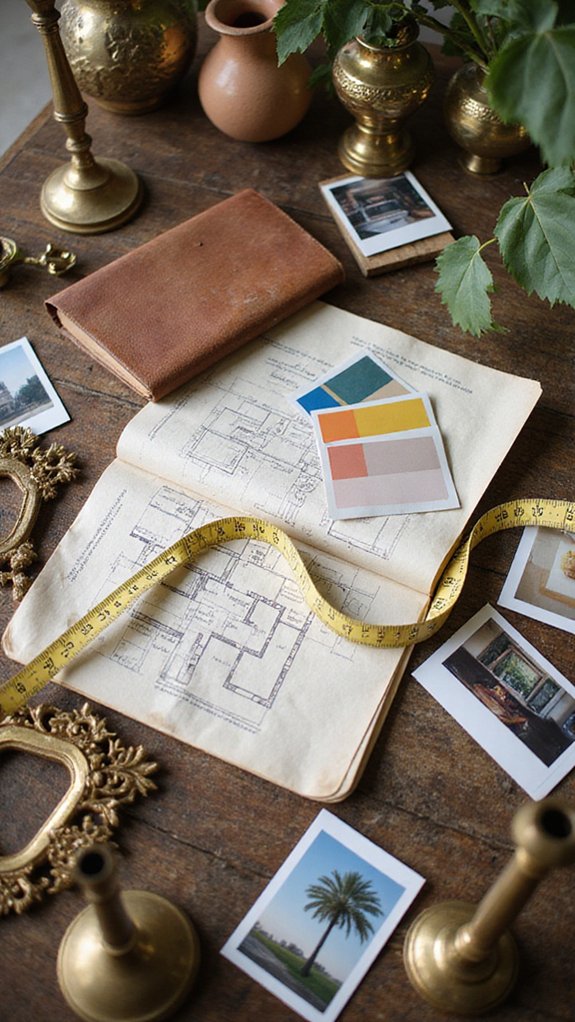
Start With a Thrift Shopping Plan
Successful thrift-flipping requires exhaustive acquisition strategies that maximize discovery potential while minimizing resource expenditure.
Effective thrift stores reconnaissance involves frequent visits during varying timeframes to access freshly restocked items before premium pieces disappear.
Strategic thrift hunting demands systematic store visits and disciplined budgeting to secure exceptional pieces before competitors discover hidden treasures.
A comprehensive shopping plan includes predetermined budget parameters and specific project objectives, preventing impulsive purchases that compromise room coherence.
Thorough inspection protocols evaluate structural integrity, material composition, and modification feasibility.
Skilled practitioners cultivate abilities to visualize potential transformations across diverse inventory categories.
Current trend analysis informs acquisition decisions, ensuring upcycling projects align with present aesthetic preferences while maintaining timeless design principles that enhance overall interior environments.
Look for pieces that can be converted into child-sized furniture to create functional spaces that promote independence and accessibility in children’s rooms.
Look Beyond Initial Appearances to Spot Hidden Potential

Experienced thrift-flippers develop refined visual assessment capabilities that penetrate beyond surface imperfections to identify transformative possibilities within seemingly unremarkable objects.
Successful hunters look past surface wear to evaluate underlying craftsmanship, examining joinery techniques, material composition, and structural integrity.
They visualize transformation potential through targeted restoration approaches, considering how creative modifications might enhance unique details while preserving authentic character.
Hidden potential emerges through systematic reimagining of functional applications vintage suitcases become storage ottomans, weathered shutters transform into headboards.
Physical dimensions, proportional relationships, and material compatibility inform design decisions, enabling collectors to envision cohesive aesthetic integration within modern interiors through thoughtful repurposing strategies.
Vintage frames particularly reward this mindset, as systematic restoration maintains structural integrity while enabling complete aesthetic transformation through strategic refinishing techniques.
Clean and Inspect Items Thoroughly Before Making Changes

Before implementing any design modifications, successful thrift-flippers must conduct thorough condition assessments to evaluate structural integrity and identify potential restoration challenges.
This systematic examination reveals hidden defects, material vulnerabilities, and safety concerns that could compromise the final design outcome.
Proper sanitation protocols using gentle cleaning agents establish a hygienic foundation while preserving the item’s original surface characteristics and material properties.
When working with vintage planters or containers, secure any loose elements with weatherproof floral wire to ensure structural stability before proceeding with decorative modifications.
Initial Assessment and Damage Check
How does one determine the true potential of a thrift store discovery before investing time and resources into its transformation? A thorough initial inspection begins with thorough cleaning using appropriate solutions to reveal the item’s authentic surface condition.
The damage check should systematically evaluate structural integrity, identifying compromised joints, fractures, or material degradation that could impact restoration feasibility.
Condition assessment requires documenting stains, water damage, and functional deficiencies through detailed notes and photographs.
This methodical approach to structural damage evaluation enables informed decision-making regarding repair complexity, material requirements, and overall project viability before commencing any modification work.
Proper surface preparation through exhaustive cleaning and sanding protocols creates the foundation necessary for successful paint applications and creative finishes on thrifted furniture pieces.
Proper Cleaning Techniques First
The foundation of successful vintage restoration lies in establishing a pristine baseline through systematic cleaning protocols tailored to each material’s unique properties.
Begin with thorough dusting using soft cloths, followed by gentle cleaning with mild soap solutions or rubbing alcohol to eliminate accumulated residue.
Inspect each piece meticulously for structural damage, surface stains, and compromised areas that require attention before modification. Test cleaning methods on inconspicuous sections to prevent unintended deterioration of original finishes.
Guarantee complete drying of all surfaces before proceeding with restoration work, as trapped moisture beneath new treatments compromises both adhesion and long-term durability of refinishing efforts.
For outdoor vintage pieces, select weather-resistant materials like solution-dyed acrylic fabrics or polypropylene to ensure longevity against UV exposure and moisture retention.
Use Simple Updates to Enhance Character Without Losing Authenticity

While preservation remains paramount in vintage restoration, targeted interventions can amplify inherent character through minimal yet purposeful modifications.
Simple updates like sealing edges with polycrylic or swapping images can refresh pieces without compromising original charm.
Distressed finishes achieved through light sanding enhance aged character while maintaining authenticity. Protective wax applications restore natural luster and ensure longevity.
Enhancement techniques that maintain integrity include:
- Hardware replacement for functional customization
- Subtle paint details for personalized character
- Digital graphics integration for modern appeal
- Repositioning existing elements for improved functional layout
These methodical approaches allow designers to personalize thrifted acquisitions while respecting their historical aesthetic value and structural authenticity.
When incorporating these enhanced pieces into small spaces, color palette coordination serves as the primary foundation for creating cohesion between your restored vintage finds and existing decor elements.
Repurpose Items for New Functions Around Your Home

Beyond traditional restoration lies the transformative potential of functional reimagining, where vintage acquisitions transcend their original purpose through thoughtful repurposing.
Thoughtful repurposing breathes new life into vintage finds, transforming forgotten treasures into functional pieces that honor their authentic character.
Thrifted items like vintage glassware and ashtrays can be upcycled into plant catch-alls through simple cleaning protocols. Picture frames accommodate new graphics for message boards, while distressed containers receive sanding treatments for modern storage solutions.
DIY projects utilizing hot glue or spray adhesive secure loose components effectively. Vintage decor pieces benefit from polycrylic sealers that enhance durability for daily use.
Repurposed vintage planters work exceptionally well for weather-resistant storage solutions that combine functional organization with authentic character preservation.
These restore techniques transform forgotten objects into functional home decor elements that maintain authentic character while serving modern home requirements.
Apply Protective Finishes to Ensure Long-Lasting Results

Final protective treatments determine whether restored vintage pieces withstand decades of functional use or deteriorate within months of completion. Professional restorers apply protective finishes systematically to preserve wood furniture integrity.
Oil-based wax formulations like Howard’s Restora Finish enhance natural grain patterns while creating moisture barriers. Light sanding with 120-grit paper establishes best surface adhesion before treatment application.
Essential protective finishing steps include:
- Testing sealant compatibility on inconspicuous areas before full application
- Applying thin, even coats using proper grain-direction techniques
- Allowing adequate curing time between multiple finish layers
- Buffing surfaces to achieve desired sheen levels
Properly executed protective treatments ensure long-lasting durability against environmental stressors and daily handling requirements.
Thrift store frames can be transformed into cohesive gallery compositions by applying uniform protective finishes that maintain design coherence throughout your restored collection.
Create Cohesive Style Through Color Coordination and Intentional Layering

How do scattered thrift store finds transform into a professionally arranged interior that appears intentionally designed rather than randomly collected? Thoughtful color coordination establishes the foundation for cohesive style across disparate vintage decor pieces.
Implementing intentional layering through varied textures distressed wood, weathered metals, and soft textiles creates dimensional visual interest while maintaining harmony throughout the space.
Effective decor arrangement balances substantial statement pieces with smaller accents, preventing visual chaos.
Texture layering combined with repeated color elements unifies individual finds into a harmonious look that transcends their separate origins, achieving the polished aesthetic of professional interior design through methodical coordination principles.
Strategic placement of items at varying heights enhances visual interest, much like how layered lighting creates dimensional depth in professionally designed spaces.
Frequently Asked Questions
How to Thrift Furniture Like a Pro?
Professional thrift furniture acquisition requires evaluating structural integrity, identifying stylistic eras, measuring furniture sizing for room compatibility, budgeting for upholstery techniques, paint selection, distressing methods, hardware replacement, and fabric choices while maintaining design principles throughout restoration processes.
How to Clean Thrifted Decor?
Professional restoration requires systematic surface sanitization using eco-friendly solutions for stain removal, followed by specialized polishing techniques. Mold treatment, fabric refreshers, and odor elimination through DIY cleaning methods guarantee ideal integration of vintage acquisitions.
How to Thrift for Antiques?
Successful antique sourcing requires systematic evaluation of vintage glassware, retro wall art, antique jewelry, mid century accessories, vintage textiles, collectible ceramics, retro clocks, and old fashioned lamps through careful authentication and condition assessment.
Final Verdict
Successful vintage decor transformation requires disciplined planning and adherence to established design principles.
Thoughtful acquisition, thorough structural assessment, and measured intervention preserve authentic character while enhancing functionality.
Cohesive color schemes and intentional layering create visual harmony across diverse elements. Professional-grade protective treatments ensure longevity, while purposeful repurposing maximizes utility.
This systematic approach transforms disparate thrifted pieces into unified collections that demonstrate refined understanding of proportion, texture, and period-appropriate aesthetic sensibilities within modern interior environments.
Recommended Products

Havenly Interior Design Service Gift Card $200-500
Interior design service - Home decorating consultation
VIEW LATEST PRICE
Primitives by Kathy Box Sign Home Decor Set
Farmhouse wooden signs decor - Rustic box signs set
VIEW LATEST PRICE
Color Wheel for Interior Designers Professional Size
Interior design color wheel - Decorator color theory tool
VIEW LATEST PRICE

