


Apartment walls present unique decorating challenges that require strategic solutions balancing aesthetic impact with financial constraints.
Limited wall space, rental restrictions, and budget limitations often force residents to abandon their design aspirations entirely.
However, thoughtful application of color theory, texture variation, and spatial composition can transform bare walls into sophisticated focal points without substantial investment.
Professional designers consistently employ specific techniques that maximize visual interest while minimizing costs, creating gallery-worthy displays that enhance any living space’s architectural character and personal expression.
Also read this: Indoor-Outdoor Home Decor Ideas
Create Hand-Painted Canvas Art With Abstract Designs
Hand-painted canvas art offers apartment dwellers an accessible entry point into creating personalized wall décor while maintaining strict budget parameters.

Affordable acrylic paints and blank canvas surfaces enable the creation of unique abstract compositions that reflect individual aesthetic preferences.
Strategic brush stroke variations, color blending techniques, and layering applications add dimensional depth to DIY artwork. Complementary or contrasting color palettes enhance visual impact within spatial constraints.
Initial practice on smaller canvas formats allows technique refinement before executing larger statement pieces. Incorporating textural elements and metallic accents transforms basic abstract designs into sophisticated focal points that elevate apartment interior aesthetics.
Also read this: 10 Modern Winter Holiday Decorating Ideas
It is not what you have, it’s what you do with what you have.
Build a DIY Gallery Wall With Free Printable Art
Why invest hundreds in original artwork when curated gallery walls achieve comparable visual impact through strategic arrangement of free printable resources?

Public domain collections from Wikimedia Commons and museum archives provide sophisticated printable art options without licensing costs.
Local print shops deliver professional-quality reproductions on premium cardstock, while thrift store frames maintain budget constraints.
Successful gallery wall composition requires methodical planning through floor layouts or wall templates, ensuring optimal spacing ratios and visual equilibrium.
Cohesive theming through botanical or abstract printable art selections creates sophisticated affordable decor that rivals expensive installations while maximizing spatial impact within apartment constraints.
Make Botanical Shadow Box Art With Dried Flowers
Botanical shadow box art transforms dried natural elements into dimensional wall displays through strategic material selection and precise assembly methods.

The construction process requires careful consideration of spatial relationships between organic textures and background surfaces to achieve visual balance within the frame’s depth.
Proper placement in areas with controlled lighting conditions maximizes the arrangement’s textural contrasts while preventing deterioration of preserved botanical specimens.
Gathering Natural Materials
The foundation of compelling shadow box compositions lies in selecting diverse natural materials that complement each other in texture, scale, and visual weight.
Effective botanical decor requires strategic material procurement that guarantees longevity and visual cohesion within the shadow box framework.
Essential gathering principles include:
- Preserved specimens – Select naturally dried flowers and foliage that retain structural integrity and color saturation over extended periods.
- Textural variety – Incorporate seed pods, twigs, and pressed botanicals to create dimensional contrast and visual depth.
- Scale diversity – Combine materials of varying sizes to establish hierarchical composition and balanced spatial relationships.
Proper material selection directly influences the shadow box’s aesthetic impact and durability.
Frame Assembly Techniques
Once natural materials have been curated and prepared, proper frame assembly requires methodical attention to structural considerations and compositional hierarchy.
Select shadow box frames with minimum 1.5-inch depth to accommodate three-dimensional botanical specimens.
Position dried elements on background substrates using strategic layering principles, establishing focal points through varied heights and textures.
Precision tools facilitate delicate placement without specimen damage during assembly phases.
Secure arrangements with appropriate adhesive applications, ensuring permanent positioning.
Apply protective sealants to preserve structural integrity and prevent internal movement.
Complete frame assembly by mounting background materials and securing protective glazing for professional presentation standards.
Display and Placement
Strategic placement of completed botanical shadow boxes requires careful consideration of environmental factors and visual composition within residential spaces. These handcrafted pieces function as sophisticated wall decor that transforms ordinary apartments into curated environments.
Optimal positioning guidelines for botanical shadow box DIY wall art include:
- Light exposure management – Position away from direct sunlight to prevent botanical specimen fading.
- Height calibration – Mount at eye level (57-60 inches from floor) for maximum visual impact.
- Spatial clustering – Group multiple shadow boxes in odd-numbered arrangements for balanced home decor composition.
Proper installation ensures long-term preservation while maximizing aesthetic contribution to interior design schemes through strategic visual anchoring.
Also read this: 7 Best DIY Furniture Projects for Small Spaces
Design Succulent Wall Art Using Craft Frames
Craft frames offer apartment dwellers an accessible pathway to contemporary botanical displays without the spatial constraints or maintenance demands of living plants.

Faux succulents secured with hot glue create minimalist wall art compositions under ten dollars per installation.
Multiple frames arranged systematically establish textured focal points while maintaining visual cohesion through coordinated color palettes and proportional spacing.
This scalable approach accommodates diverse apartment layouts, allowing residents to customize dimensions and configurations according to existing architectural elements.
The modular nature of framed succulent displays provides flexibility for renters seeking impactful home transformations through cost-effective DIY projects that enhance spatial depth without permanent modifications.
Transform Thrift Store Finds Into Custom Artwork
The secondary art market presents apartment residents with untapped opportunities to develop personalized wall installations through strategic curation and creative modification of discarded materials.

Thrift store acquisitions enable cost-effective transformation into sophisticated wall decor through systematic repurposing techniques.
Essential conversion strategies include:
- Frame rehabilitation – Salvaging mismatched frames and applying uniform finishes creates cohesive gallery compositions
- Canvas reinterpretation – Overpainting existing artworks with personalized imagery establishes unique focal points
- Object integration – Incorporating vintage collectibles into shadow box configurations produces dimensional custom artwork
Strategic material selection emphasizes spatial compatibility while maintaining design coherence. This approach maximizes visual impact within constrained budgets through thoughtful curation and creative intervention.
Also read this: 10 Charming Fall Garden Decor Ideas to Try This Season
Create Textile Wall Art With Fabric Scraps and Yarn
Textile wall art transforms discarded fabric remnants and yarn into dimensional installations that establish visual texture and color depth within apartment spaces.

Fabric scrap techniques utilize layering, appliqué, and patchwork methods to construct cohesive compositions from disparate material sources.
Yarn wall hanging approaches employ knotting, braiding, and weaving principles to create structured geometric forms or organic flowing patterns that complement existing interior elements.
Fabric Scrap Art Techniques
Repurposing leftover fabric materials transforms discarded textiles into sophisticated wall installations that maximize both budget constraints and creative potential within apartment spaces.
Fabric scrap art employs strategic assembly methods that create dimensional compositions through systematic layering and construction techniques.
Essential fabric scrap art methodologies include:
- Appliqué arrangement – Positioning contrasting textile elements onto base surfaces for compositional depth
- Knotting integration – Securing yarn components through systematic binding techniques for structural integrity
- Sewn assemblage – Connecting disparate fabric pieces through precise stitching patterns for cohesive presentation
These approaches generate textured wall decor that accommodates diverse aesthetic frameworks while creating dynamic wall hangings suitable for contemporary apartment environments requiring cost-effective decorative solutions.
Yarn Wall Hanging Styles
Strategic yarn manipulation techniques enable apartment dwellers to construct sophisticated wall installations through systematic fiber arrangement and dimensional layering processes.
Yarn wall hangings utilize fundamental knotting, braiding, and wrapping methods around dowels to establish textural foundations.
Fabric scraps from repurposed textiles introduce chromatic variation and pattern complexity within compositions. Boho tassel configurations, geometric woven structures, and stratified texture applications accommodate diverse aesthetic preferences.
This textile art form demonstrates exceptional spatial adaptability, scaling appropriately for compact or expansive wall surfaces. Material investment remains minimal through yarn affordability and scrap utilization.
Assembly duration typically requires under sixty minutes for basic installations, optimizing time-to-completion ratios.
Print Museum-Quality Art From Public Domain Sources
The digital archives of major cultural institutions present an unprecedented opportunity for apartment dwellers to acquire museum-caliber artwork without the traditional financial barriers.

Over 95% of collections from prestigious institutions like The Met, Art Institute of Chicago, and Cleveland Museum of Art exist within public domain parameters, enabling unrestricted download free access to high-resolution files suitable for large-format printing.
Essential steps for acquiring museum-quality reproductions include:
- Navigate institutional digital collection interfaces
- Verify public domain art licensing status
- Download maximum resolution files for ideal print clarity
This approach transforms residential spaces with historically significant visual elements while maintaining budgetary constraints through strategic digital resource utilization.
Make Seasonal Wall Decor With Natural Materials
Why purchase expensive seasonal artwork when nature provides an abundant supply of cost-effective decorative materials that transform apartment walls with authentic organic textures?

Collecting leaves, twigs, flowers, and pinecones creates dynamic seasonal wall decor that establishes a visual connection between interior spaces and external environments.
Clear adhesive secures natural materials onto canvases or shadow boxes, forming structured compositions.
Pressed botanicals develop refined framed displays emphasizing seasonal color palettes. Minimalist frames complement organic elements while maintaining spatial balance.
Regular rotation of these eco-friendly installations maintains visual interest throughout seasonal shifts, providing sustainable decorative solutions that enhance apartment aesthetics without compromising budgetary constraints.
Design Geometric Art Inspired by High-End Pieces
Contemporary geometric art commands premium prices in galleries, yet apartment dwellers can recreate these sophisticated visual compositions using accessible materials and fundamental design techniques.

Painter’s tape and acrylic paint enable precise geometric wall art execution, while stencils ensure dimensional accuracy for circles, triangles, and hexagons.
Transform your living space with museum-quality geometric compositions using simple painter’s tape, acrylic paint, and precision stenciling techniques.
Strategic approaches include:
- Canvas segmentation – Tape off sections for bold contrasting color blocks
- Layered compositions – Combine varying shapes and scales for dynamic visual depth
- Digital integration – Utilize printable templates with affordable framing solutions
DIY canvas projects leverage color theory principles to emulate luxury aesthetics.
Thoughtful spatial positioning and proportional relationships transform budget materials into gallery-worthy installations that enhance apartment environments.
Craft Woven Wall Baskets for Textured Displays
Woven wall baskets introduce organic texture and dimensional interest to apartment walls through strategic material selection and spatial composition.

Natural fibers such as seagrass, jute, and rattan provide varying tactile qualities that create visual depth when arranged in clustered or linear configurations.
Proper mounting techniques guarantee secure installation while accommodating rental restrictions, allowing residents to achieve gallery-quality textural displays without permanent wall modifications.
Selecting Natural Fiber Materials
Natural fiber materials form the foundation of effective textural wall displays, with seagrass, rattan, jute, and sisal emerging as primary options for apartment dwellers seeking sustainable design solutions.
These eco-friendly materials create dimensional contrast against flat wall surfaces while maintaining visual cohesion through organic color palettes.
Material selection considerations include:
- Seagrass and rattan – offer refined weaving patterns suitable for contemporary spaces
- Jute – provides rustic texture ideal for bohemian or farmhouse aesthetics
- Sisal – delivers structured geometric patterns for minimalist interiors
Each natural fiber brings distinct weaving characteristics to woven wall baskets, enabling curated arrangements that complement existing spatial proportions and design vocabularies.
Basket Arrangement Techniques
Strategic placement of woven baskets transforms flat wall surfaces into dynamic textural compositions through deliberate spacing and proportional relationships.
Asymmetrical configurations create organic movement, while grid formations establish structured harmony within the wall arrangement.
Designers recommend varying basket dimensions—combining flat, rounded, and elongated forms—to achieve ideal visual depth.
Secure mounting requires appropriate hardware selection: hooks for heavier pieces, adhesive strips for lightweight options.
The textured decor benefits from calculated negative space between elements, preventing visual overcrowding.
Incorporating mixed basket styles with complementary wall elements enhances dimensional contrast.
Woven wall baskets function as affordable focal points when positioned according to established design proportions.
Wall Mounting Methods
Proper mounting techniques determine the longevity and visual impact of woven basket installations, requiring careful consideration of wall surface conditions and basket weight distribution.
Strategic hardware selection ensures maximum adhesion while preserving structural integrity of both mounting surface and decorative elements.
Essential wall mounting methods for basket art displays include:
- Lightweight adhesive strips – Ideal for seagrass compositions under two pounds.
- Wall hooks with anchors – Recommended for medium-weight rattan installations.
- Heavy-duty nails – Required for substantial jute basket arrangements exceeding five pounds.
Secure attachment prevents shifting in high-traffic areas, maintaining precise spatial relationships within gallery-style configurations and preserving intended design aesthetics.
Final Verdict
Strategic implementation of these budget-conscious wall art solutions enables renters to achieve sophisticated visual impact through calculated placement and cohesive design principles.
By utilizing vertical space efficiently and maintaining consistent color palettes across multiple artworks, occupants can establish focal points that enhance spatial perception.
The integration of varied textures, scales, and materials creates dimensional interest while adhering to rental restrictions.
Proper lighting amplifies these economical installations, delivering professional-quality aesthetic results within constrained budgets.
FAQs
Recommended Products

Anthropologie Gleaming Primrose Mirror Decorative Wall Mirror
Decorative wall mirror - Spring home decor
VIEW LATEST PRICE
Command Picture Hanging Strips Variety Pack, 125 Strips
Command strips - Damage-free hanging
VIEW LATEST PRICE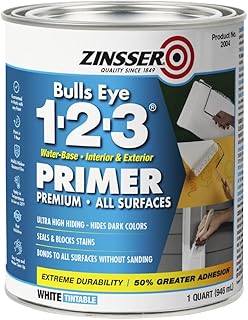
Rust-Oleum Zinsser Bulls Eye 1-2-3 Primer Gallon
Zinsser primer - Bulls Eye 123 primer
VIEW LATEST PRICE

