

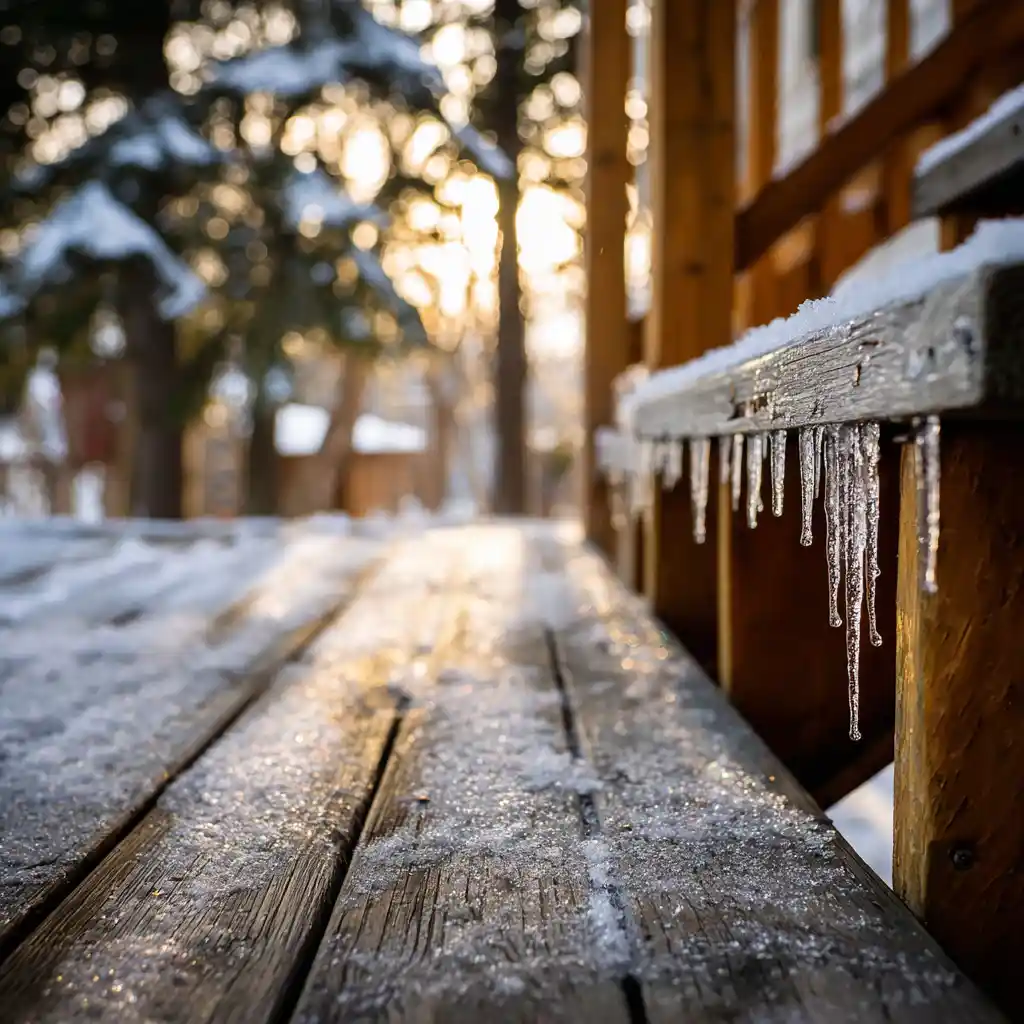

Winter conditions subject deck structures to severe load variations that standard seasonal maintenance protocols fail to address.
Freeze-thaw cycles generate hydraulic pressures exceeding 30,000 PSI within moisture-saturated wood fibers, while accumulated snow loads can approach or exceed design limits specified in local building codes.
These combined stresses create failure modes that conventional inspection methods often miss, particularly in critical connection points and structural members where catastrophic collapse becomes a legitimate safety concern.
Also read this: Indoor-Outdoor Home Decor Ideas
Why Winter Care Is Essential for Your Deck
When winter temperatures subject deck structures to repeated freeze-thaw cycles, the resulting expansion and contraction forces create critical stress points that compromise structural integrity.
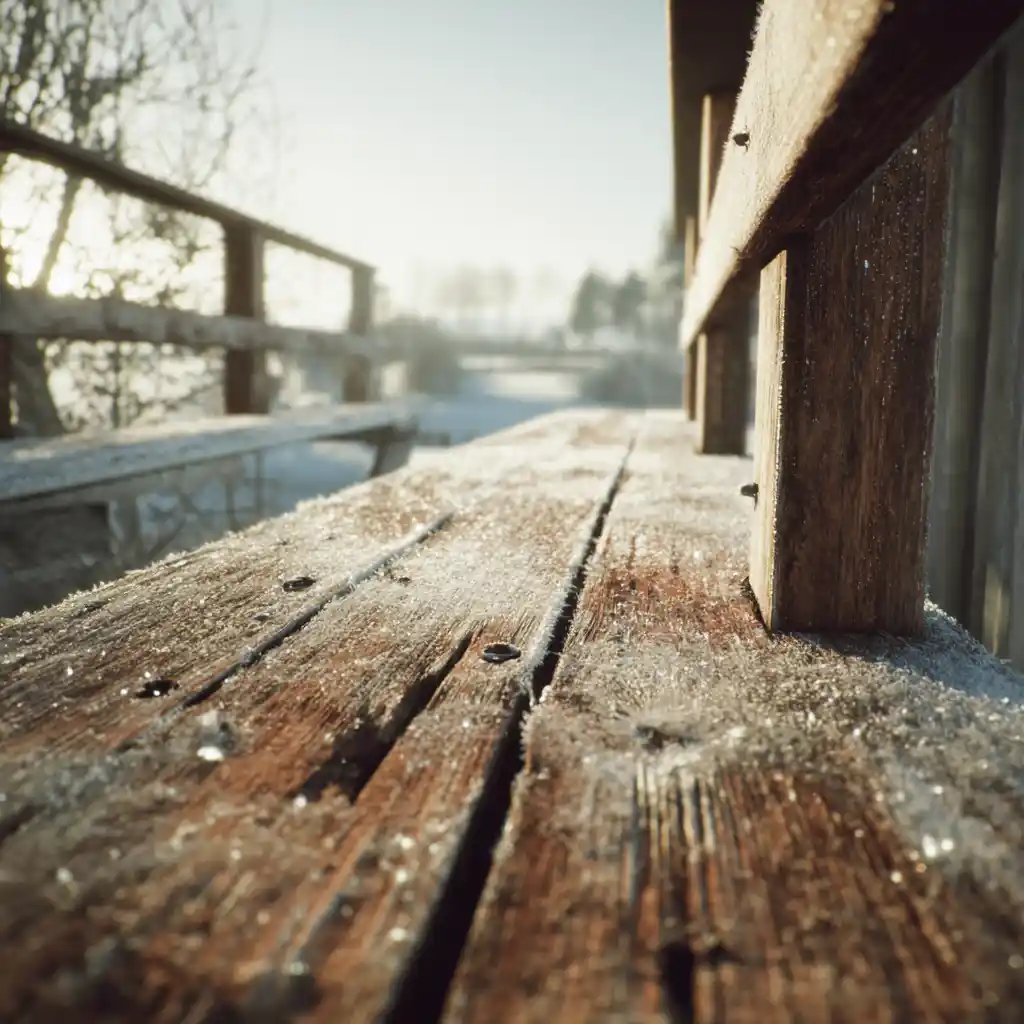
Snow accumulation traps moisture against decking materials, accelerating deterioration through sustained water exposure.
Ice formation within structural gaps creates expansion forces that loosen fasteners and widen joints beyond acceptable tolerances.
Maintenance protocols during winter months prevent water infiltration that leads to rot and reduces typical deck lifespans from 10-15 years to substantially shorter periods.
Regular inspection identifies compromised connection points before they reach failure thresholds.
Ice buildup on walking surfaces creates slip hazards that increase liability exposure and accident risk.
Temperature fluctuations systematically weaken structural components, making proactive winter care essential for preserving load-bearing capacity and preventing costly structural repairs that exceed routine maintenance investments.
Pre-Winter Deck Preparation and Inspection
Thorough pre-winter deck preparation requires systematic debris removal from all surface areas, structural cavities, and drainage points to eliminate moisture retention sites that accelerate material degradation during freeze-thaw cycles.

Pressure washing with specialized cleaners eliminates mold, mildew, and accumulated contaminants that compromise wood integrity.
Inspect your deck systematically, examining fasteners, boards, and connections for deterioration indicators.
| Component | Inspection Focus | Failure Consequence |
|---|---|---|
| Deck Boards | Rot, warping, splitting | Structural collapse |
| Fasteners | Corrosion, loosening | Connection failure |
| Railings | Stability, attachment | Safety hazard |
| Support Beams | Deflection, cracking | Total system failure |
Regular maintenance protocols demand immediate repair or replacement of compromised elements.
Structural assessment of railings, steps, and support beams prevents snow-load induced failures, extending operational lifespan beyond the typical 10-15 year expectancy through proactive winter preparation interventions.
Your home should be a reflection of your own sense of style, filled with pieces that tell your story and bring you joy.
“Joanna Gaines”
Proper Snow Removal Techniques
How effectively can homeowners protect their deck investment during winter months Proper snow removal techniques directly impact structural integrity and longevity.

Homeowners should use a plastic shovel instead of metal alternatives to prevent surface scratches and chips that compromise moisture barriers.
Snow removal must follow wood grain direction to minimize abrasions while gently pushing rather than scraping forcefully to avoid gouging.
Prompt removal after each snowfall prevents dangerous accumulation exceeding 1-2 pounds per square foot when wet, which can cause structural strain and warping.
During snow removal, avoid concentrating cleared snow in single areas to maintain even weight distribution across the deck surface.
Uneven loading compromises fastener integrity and increases instability risk, potentially violating structural load requirements and creating safety hazards.
Also read this: 3 Modern Apartment Living Room Decor Ideas
Safe Ice Management Strategies
Ice accumulation on deck surfaces creates structural hazards and accelerates material degradation through freeze-thaw cycles that compromise load-bearing capacity.

Effective ice management requires selecting appropriate de-icing compounds that minimize chemical damage to deck materials while maintaining surface traction standards.
Strategic implementation of removal techniques and preventive measures guarantees compliance with structural integrity requirements throughout winter exposure periods.
Choose Safe Ice Melts
When winter conditions necessitate ice removal from wooden deck surfaces, selecting appropriate de-icing compounds becomes critical for preserving structural integrity and extending service life.
Traditional rock salt (sodium chloride) causes moisture absorption in wood deck materials, resulting in dimensional instability, fastener corrosion, and potential 50% reduction in structural lifespan under severe winter exposure conditions.
Recommended ice melt alternatives include calcium chloride-based products effective to -25°F, magnesium chloride compounds that minimize corrosive damage to pressure-treated lumber, and urea or potassium acetate formulations labeled as wood-friendly solutions.
- Apply calcium chloride at 1 pound per 10 square feet to prevent over-saturation damage
- Select magnesium chloride for reduced corrosion on metal fasteners and hardware
- Choose pet-safe formulations to minimize chemical burns on wood surfaces
Proper Ice Removal Techniques
Beyond selecting appropriate de-icing compounds, proper removal techniques protect deck surfaces from mechanical damage while maintaining structural integrity throughout winter conditions.
Metal shovels create surface grooves that compromise wood fibers and accelerate moisture infiltration, reducing deck lifespan by 20%.
Plastic or rubber-edged tools prevent scratching while maintaining removal efficiency.
Ice removal must follow wood grain direction to minimize surface damage and preserve structural integrity.
Thick ice requires careful breaking with plastic implements rather than forceful snow shovel techniques that cause splintering.
Avoiding ice accumulation on deck surfaces prevents excessive load concentrations that strain support structures.
Even minimal buildup adds hundreds of pounds per square foot, potentially exceeding design load parameters and compromising safety compliance standards.
Prevent Ice Formation
How can deck owners effectively prevent ice formation before hazardous conditions develop?
Proactive moisture management represents the most effective strategy for preventing hazardous ice and snow accumulation on wooden deck surfaces.
Annual application of water-repellent sealants reduces moisture absorption by up to 50%, greatly minimizing ice formation potential.
Proper drainage systems prevent standing water that can refreeze within 30 minutes under freezing conditions, creating dangerous slip hazards.
Prevention Strategies:
- Apply water-repellent sealant annually before winter season to create moisture barrier and reduce ice formation by half
- Maintain clear drainage pathways by inspecting gutters and downspouts to eliminate standing water sources
- Monitor high-risk areas including shaded and low-lying deck sections for early ice detection during melt-refreeze cycles
These preventive measures address the root causes of ice formation rather than reactive removal techniques.
Protecting Your Deck From Salt Damage
Why does salt damage pose such a significant threat to deck structural integrity?
Rock salt penetrates wood fibers, causing accelerated moisture absorption that leads to swelling, cracking, and premature rot.

This damage reduces typical deck lifespans from 10-15 years substantially.
Salt-based de-icers disrupt natural wood expansion and contraction cycles during freeze-thaw conditions, creating structural weaknesses while corroding metal fasteners.
Studies demonstrate salt exposure increases wood brittleness and decay rates by 50% compared to untreated conditions.
To protect decks from salt damage, apply water-repellent sealants annually before winter exposure.
This creates an effective barrier minimizing salt penetration into wood substrates.
Safer alternatives include calcium chloride or sand, which provide adequate ice melting without corrosive effects on fasteners.
These preventive measures maintain structural integrity and extend service life during harsh winter conditions.
Furniture and Planter Storage Guidelines
Proper winterization requires complete removal of all deck furniture and planters to prevent moisture entrapment and structural deterioration.
Deck furniture left exposed to freezing temperatures and moisture undergoes accelerated degradation, compromising structural integrity and reducing operational lifespan.
Outdoor furniture storage indoors eliminates freeze-thaw cycles that cause material disintegration.
Planters and containers must be relocated to prevent dampness accumulation beneath, which creates ideal conditions for mold and mildew proliferation and potential substrate damage.
- Remove all planters and pots to eliminate moisture retention points that foster mold and mildew growth
- Store deck furniture in climate-controlled environments to prevent freeze-induced material failure
- Maintain completely cleared deck surfaces throughout winter to prevent uneven loading from snow and ice accumulation
Direct covering of furniture on-deck traps moisture, accelerating rot formation and compromising load-bearing capacity.
Regular Winter Maintenance Checks
Although deck structures appear dormant during winter months, systematic maintenance inspections every 4-6 weeks remain critical for identifying structural compromises before they escalate into load-bearing failures.
Regular inspections must examine deck boards, fasteners, and connection hardware for moisture-induced warping, corrosion, or loosening that accelerates in high-humidity regions like Kansas and Missouri.
Winter maintenance protocols require thorough assessment of railings, steps, and support beams twice per season to verify snow load capacity and prevent structural instability.
Deck regularly experiences freeze-thaw cycles from pooling water in shaded areas, creating drainage issues that reduce typical 10-15 year lifespans.
Immediate remediation of identified cracks, loose screws, or compromised connections prevents escalating damage and costly repairs while maintaining code-compliant structural integrity.
Also read this: 7 Bohemian Eclectic Living Room Inspirations
Preventing Moisture and Mold Issues
Winter moisture infiltration poses significant structural risks to deck systems, with untreated conditions accelerating wood deterioration through freeze-thaw cycles and creating ideal environments for mold proliferation.

Effective moisture control requires implementing multiple barrier strategies, including proper drainage management, surface treatments, and elimination of water retention points.
Proactive mold prevention protocols must address both immediate moisture sources and long-term environmental conditions that compromise deck integrity and reduce serviceable life spans.
Moisture Control Methods
Moisture infiltration represents the primary threat to deck structural integrity during winter months, necessitating thorough prevention strategies to mitigate mold growth and wood deterioration.
Effective moisture control requires systematic implementation of barrier systems and drainage protocols to prevent water accumulation and structural compromise.
Water-repellent sealants applied annually create protective barriers reducing moisture absorption by 50%, while oxygen bleach treatments eliminate existing spore colonies without compromising wood integrity.
Proper surface maintenance involves removing organic debris within 48-hour intervals to prevent moisture retention and subsequent mold development.
- Apply water-repellent sealant annually before winter to prevent moisture penetration and reduce absorption rates
- Remove furniture, planters, and debris regularly to eliminate conditions that trap moisture beneath surfaces
- Maintain proper drainage systems and deck slopes to prevent water pooling and structural saturation
Mold Prevention Strategies
The proliferation of mold colonies on deck surfaces during winter months demands proactive intervention protocols that address both existing contamination and preventive measures against future growth.
Oxygen bleach-based cleaning solution applications effectively eliminate mold spores while preventing structural deterioration that occurs within months under persistent moisture conditions.
Systematic debris removal protocols must remove dirt, leaves, and organic matter to eliminate standing water accumulation, which increases moisture levels by 50% in shaded deck areas.
Annual application of water-repellent sealants creates critical barriers preventing moisture from seeping into wood substrates, substantially reducing mold formation risks from snowmelt penetration.
Clearing furniture and planters eliminates trapped moisture pockets where mold develops within 24-48 hours.
Monthly inspections identify early moisture indicators before widespread contamination occurs.
Also read this: 7 Easy DIY Wall Decor Ideas for Beginners
Emergency Repairs During Cold Weather
When structural integrity becomes compromised during freezing conditions, immediate intervention prevents catastrophic failure and mitigates the 20% increase in deck collapses attributed to winter neglect.
Cold weather emergency repairs require swift assessment of loose or damaged deck boards within 24-48 hours to prevent moisture expansion and subsequent cracking.
Structural damage escalates rapidly when freeze-thaw cycles compromise untreated defects.
Emergency repair protocols demand weather-resistant fasteners and sealants rated to -10°F minimum operating temperatures.
Proper material selection includes pressure-treated lumber designed for cold climate applications.
While avoiding work below 0°F prevents material brittleness.
- Inspect for rot and corrosion before initiating repairs to identify moisture-related deterioration
- Utilize insulated gloves and non-slip footwear to prevent slip hazards on icy surfaces
- Prioritize immediate stabilization of loose deck boards to maintain load-bearing capacity
Preparing Your Deck for Spring
How effectively can structural integrity be maintained when shifting from winter’s harsh conditions to spring’s active use period?
Spring preparation requires systematic assessment of load-bearing components and surface conditions.
First, remove winter covers and debris, then conduct thorough inspections for cracks, discoloration, and warping.
Clean surfaces using pressure washers or appropriate cleaners to eliminate accumulated contaminants that compromise structural integrity.
| Component | Inspection Focus | Required Action |
|---|---|---|
| Deck Surface | Cracks, warping, discoloration | Clean, assess, seal |
| Railings | Loose fasteners, corrosion | Tighten, replace hardware |
| Support Beams | Structural integrity, moisture damage | Reinforce, treat |
| Cable Systems | Tension, rust, corrosion | Adjust, lubricate, replace |
Time to inspect railings, steps, and support structures for compromised fasteners and corrosion.
Apply fresh water-repellent protective coating to create moisture barriers essential for spring weather protection and code compliance.
Final Verdict
Winter deck maintenance serves as the backbone of structural longevity, requiring systematic adherence to load-bearing protocols and moisture mitigation standards.
Proper implementation of inspection schedules, snow load management, and drainage compliance prevents catastrophic freeze-thaw deterioration.
Code-compliant fastener assessment, appropriate de-icing agents, and immediate structural anomaly correction guarantee deck systems maintain design loads throughout thermal cycling.
Thorough preventive maintenance protocols directly correlate with extended service life and reduced liability exposure during adverse weather conditions.
FAQs
Recommended Products

Mr. LongArm Flow-Thru Deck Scrub Brush Extension Pole
Deck scrub brush - Flow-thru cleaning tool
VIEW LATEST PRICE
Scotts Outdoor Furniture Cleaner and Protectant Spray
Outdoor furniture cleaner wicker protectant patio maintenance
VIEW LATEST PRICE
Hampton Bay Belleville 7-Piece Padded Sling Outdoor Dining Set
Outdoor dining set - Patio furniture set
VIEW LATEST PRICE

