


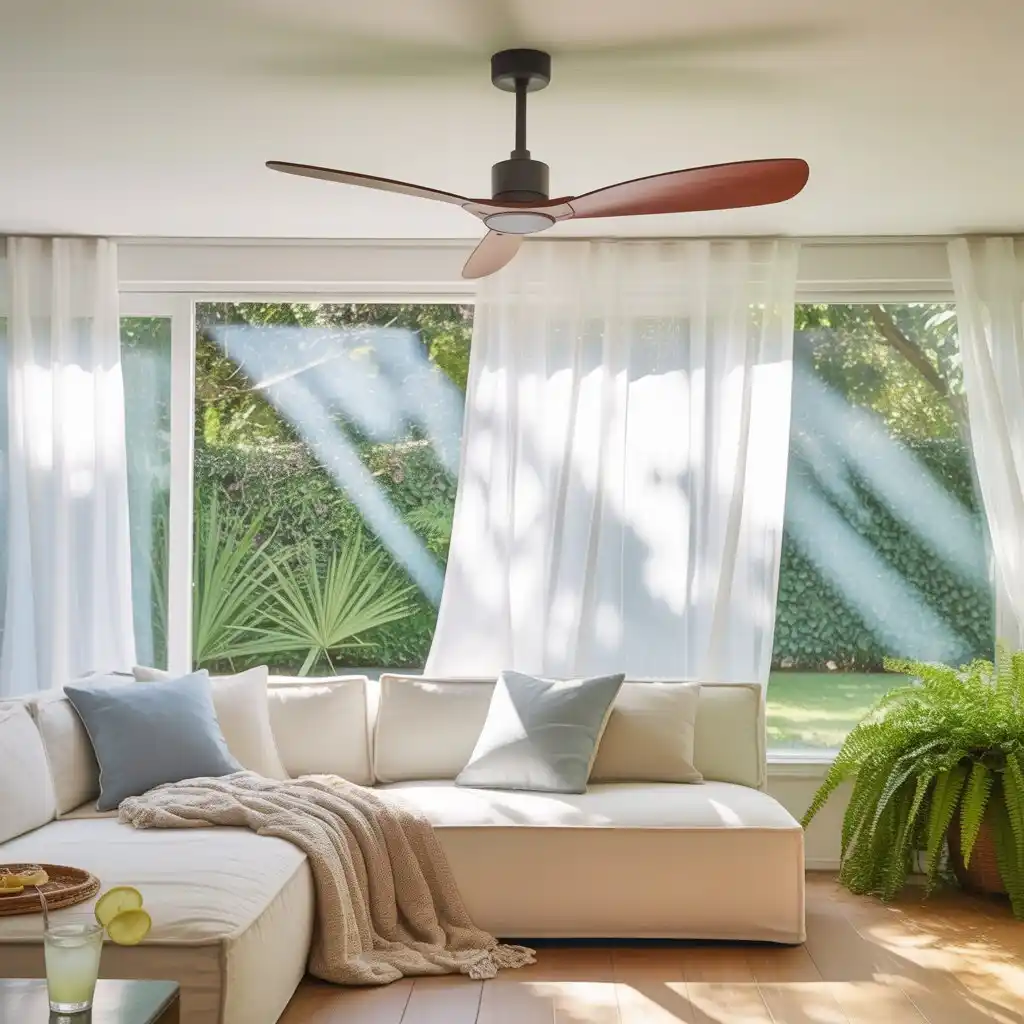
Summer’s relentless heat transforms living spaces into uncomfortable zones where traditional cooling methods often fall short. Interior designers recognize that strategic fabric choices, reflective surfaces, and thoughtful spatial arrangements can dramatically reduce ambient temperatures without excessive energy consumption.
The key lies in understanding how materials interact with light, air circulation patterns, and thermal dynamics within enclosed spaces.
Professional cooling strategies extend beyond obvious solutions, incorporating unexpected elements that work synergistically to create naturally cooler environments through deliberate design intervention.
Also read this: Indoor-Outdoor Home Decor Ideas
Choose Light-Colored and Breathable Fabrics
While dark fabrics absorb substantial heat during summer months, strategic selection of light-colored upholstery transforms living spaces into cooler environments through enhanced light reflection.
Light-colored fabrics in whites and pastels reflect up to 90% of sunlight, greatly reducing heat absorption throughout the room.
Cotton or linen selections excel as ideal choices, offering superior breathability compared to synthetic alternatives.
These fabrics made from natural materials facilitate moisture wicking and temperature regulation through their inherent porosity.
Loose weave construction in cotton-linen blends enhances air circulation, preventing heat entrapment around seating areas.
Interior designers recommend avoiding heavy materials like velvet or thick wool, which retain warmth and compromise spatial comfort.
Strategic fabric selection creates measurable temperature reduction while maintaining aesthetic appeal in residential cooling strategies.
Great home decor doesn’t just please the eye; it lowers the temperature with open-weave fabrics and natural textures that breathe.
Select Furniture With Open and Airy Designs
Strategic furniture selection prioritizes open architectural elements that facilitate enhanced airflow throughout living spaces, creating measurably cooler environments during peak summer temperatures.
Choose the Right elevated-leg sofas and open-framed seating arrangements to promote superior ventilation beneath furniture bases, preventing heat accumulation in your Living Room.

Woven rattan-backed armchairs offer breathable material properties that enhance air circulation while maintaining functional comfort.
Coffee tables featuring glass tops or metal frameworks reflect ambient light, minimizing heat absorption compared to solid wood alternatives.
These transparent and perforated surfaces allow unobstructed airflow patterns throughout the space.
Furniture with slim profiles and open-weave construction maximizes visual spaciousness while improving air movement dynamics.
This strategic approach guarantees your Living Room remains cool through deliberate design choices that prioritize both aesthetic appeal and thermal efficiency.
Incorporate Natural Materials That Stay Cool
Beyond structural considerations, material composition plays a fundamental role in maintaining ideal living room temperatures through inherent thermal properties.
Natural upholstery fabrics like cotton and linen provide superior cooling through breathable weaves that facilitate air circulation and evaporative cooling via moisture-wicking capabilities.
Rattan and bamboo furniture feature porous structures enhancing airflow, reducing ambient temperatures by 2-3 degrees Fahrenheit compared to synthetic alternatives through natural heat dissipation.
Light-colored woods such as oak and maple reflect up to 80% of solar radiation, minimizing heat absorption in furniture applications.
Matte finishes on bamboo surfaces reduce glare and heat retention by limiting sunlight absorption.
Natural fiber blends effectively absorb moisture handling up to 20% of their weight in water without retaining heat, thereby optimizing thermal comfort throughout summer months.
Use Reflective Surfaces and Strategic Mirror Placement
Reflective surfaces transform living rooms into naturally cooler environments by redirecting solar radiation away from heat-absorbing elements.
Strategic mirror positioning opposite windows maximizes natural light distribution while minimizing thermal gain, creating brighter spaces without additional heat sources.
Surface material selection focusing on high-reflectivity options can reduce furniture temperatures and promote even light dispersion throughout the room’s thermal zones.
Light-Reflecting Furniture Choices
The intelligent selection of light-reflecting furniture transforms a living room’s thermal dynamics by redirecting solar energy away from heat-absorbing surfaces.
Mirrored coffee tables and sideboards reflect up to 80% of incoming sunlight, reducing surface temperatures by several degrees during summer months.
Glass-topped tables allow light transmission while minimizing material warmth retention, creating enhanced brightness without thermal buildup.
Polished metal accents, particularly chrome legs on sofas, effectively deflect solar radiation and lower the temperature by redirecting heat away from seating areas.
These reflective elements work synergistically with strategic lighting placement to reduce artificial illumination requirements.
The combination of reflective furniture surfaces creates a cooler microclimate through reduced heat absorption, making the living space more comfortable while maintaining aesthetic appeal throughout the warmer season.
Strategic Mirror Positioning
How can homeowners maximize cooling efficiency through deliberate mirror placement within their living spaces?
Strategic mirror positioning creates substantial thermal benefits by manipulating natural light distribution patterns.
Positioning mirrors opposite windows redirects illumination deeper into interior zones, reducing artificial lighting requirements that generate unwanted heat.
This configuration prevents concentrated sunlight exposure on furniture and flooring surfaces, maintaining lower ambient temperatures.
Large reflective surfaces enhance spatial perception while improving air circulation dynamics.
High-reflectivity mirrors with silver backing deflect 80-90% of incoming solar energy, preventing heat accumulation during peak summer months.
The cooling effect intensifies when mirrors angle light away from heat-absorbing materials like upholstered seating toward ventilated areas.
This deliberate redirection strategy makes the space feel more expansive while optimizing cross-ventilation through coordinated window arrangements, creating comfortable indoor climates without mechanical cooling systems.
Heat-Reducing Surface Materials
Surface selection fundamentally determines a living room’s thermal performance during summer months.
Reflective materials strategically reduce the amount of heat absorbed by furniture and surfaces, creating cooler interior environments.

Unlike traditional materials that trap thermal energy, reflective surfaces redirect solar radiation away from living spaces, minimizing heat accumulation even when shades or blinds allow natural light penetration.
Professional designers leverage these heat-reducing materials to combat excessive warmth and prevent heat and moisture buildup:
Block Sunlight With Window Treatments
Window treatments serve as the primary defense against solar heat gain, with material selection and coverage strategy determining their effectiveness in thermal management.
Heat-blocking fabrics and reflective surfaces create barriers that intercept radiant energy before it penetrates the interior space, while strategic positioning maximizes protection during peak sun exposure periods.
Proper implementation of these elements transforms windows from heat sources into controlled thermal boundaries that maintain comfortable ambient conditions.
Choose Heat-Blocking Materials
Strategic material selection transforms ordinary window treatments into thermal barriers that substantially reduce solar heat gain throughout living spaces.
When homeowners close the windows during the sunniest hours, choosing appropriate fabrics and materials becomes essential for preventing hot air accumulation.
Light-colored polyester and vinyl options reflect up to 75% of solar radiation, while thermal-backed curtains create multiple insulation layers that minimize heat transfer through glass surfaces.
Strategic Window Coverage
When positioned correctly, window treatments function as the primary defense against solar heat infiltration, with proper coverage techniques reducing interior temperatures by up to 15 degrees during peak sunlight hours.
Light-colored blinds and shades reflect up to 75% of solar radiation, while insulated curtains create thermal barriers that substantially reduce heat transfer.
Layering multiple treatments, such as combining cellular shades with drapes, blocks up to 90% of incoming solar heat through trapped air pockets.
Strategic timing proves essential maintaining closed coverings between 10 a.m. and 4 p.m. prevents direct sunlight from raising interior temperatures by 20 degrees.
Don’t forget to close treatments during peak hours, though homeowners can open your windows during cooler evening periods to keep your home cool through natural ventilation.
Maximize Air Circulation With Proper Fan Usage
Since proper air circulation forms the foundation of effective passive cooling, homeowners should begin by adjusting ceiling fans to rotate counterclockwise during summer months.
This configuration pushes cooler air downward, creating a wind-chill effect that reduces perceived temperature by 4-5 degrees Fahrenheit through enhanced air circulation directly toward occupants.
Strategic fan placement amplifies cooling effectiveness throughout the living space:
Add Cooling Plants Throughout Your Space
Strategic integration of cooling plants transforms living room thermal dynamics through natural transpiration processes that release moisture and reduce ambient temperatures.

Snake plants, aloe vera, and peace lilies function as biological air conditioning units while simultaneously filtering indoor pollutants and enhancing spatial comfort levels.
Ideal placement near windows, seating areas, and circulation pathways maximizes these plants’ cooling efficiency and creates measurable temperature reductions throughout the living space.
Best Cooling Plant Varieties
The strategic placement of cooling plants throughout a living room transforms both the thermal dynamics and air quality of the space.
These botanical cooling solutions effectively reduce ambient temperatures through transpiration while simultaneously purifying indoor air, creating a dual-function design element that enhances spatial comfort.
Strategic Plant Placement Tips
Maximizing cooling plant effectiveness requires deliberate positioning that leverages natural airflow patterns and thermal zones within living spaces.
Snake plants positioned near windows or air vents amplify transpiration effects, reducing perceived temperatures by up to 5 degrees Fahrenheit through enhanced moisture release. Peace lilies on elevated surfaces in high-heat zones help you stay cool while purifying air during peak summer hours.
Clustering aloe vera around seating areas promotes better air circulation and oxygen release. Corner placement of ferns and spider plants establishes beneficial microclimates, decreasing humidity by 10-20% when properly positioned.
These tips to keep rooms comfortable include integrating ZZ plants along walls to optimize airflow patterns.
Strategic spacing of varied cooling plants throughout the space can create a cool environment with temperature reductions of 2-4 degrees Fahrenheit.
Minimize Heat From Appliances and Lighting
Interior heat sources from electronic devices and lighting fixtures can substantially elevate living room temperatures during summer months.
Strategic management of these thermal contributors creates a more comfortable spatial environment while reducing dependency on air conditioning systems.
Create DIY Cooling Solutions
How can homeowners achieve effective cooling without expensive equipment installations? Strategic fan placement creates immediate thermal relief through enhanced air circulation.
Position portable fans near shallow pans filled with ice or cold water to generate evaporative cooling effects that reduce ambient temperatures.
Configure oscillating fans across from open windows to establish cross-ventilation patterns, maximizing natural airflow throughout the room without air conditioning systems.
Window fans effectively blow air into interior spaces during ideal hours early morning and evening, when outdoor temperatures drop.
Ice bowls positioned before standard fans create localized cooling zones through enhanced evaporation.
Ceiling fans rotating counterclockwise at higher speeds push cooler air downward, improving overall thermal comfort.
These DIY solutions combine readily available materials with strategic spatial positioning to create effective cooling environments without costly mechanical installations.
Optimize Nighttime Cooling Strategies
When temperatures plummet after sunset, strategic window management transforms living spaces into naturally cooled environments through deliberate air exchange protocols.

Vermont’s characteristic 10-15 degree temperature drops create ideal conditions for night-flush ventilation techniques.
Homeowners can take advantage of these thermal differentials by implementing systematic cooling strategies that cool any room without mechanical intervention.
Strategic nighttime cooling encompasses a wide range of coordinated approaches:
Final Verdict
Creating a cool summer living room requires orchestrating multiple design elements in perfect harmony. By combining breathable textiles, strategic ventilation, and heat-reducing materials, homeowners can transform their space into a cooling oasis that defies the season’s intensity.
The synergy between natural cooling solutions, reflective surfaces, and optimized air circulation creates a microclimate where comfort prevails. These carefully curated interventions guarantee the living room remains a sanctuary of coolness throughout the sweltering summer months.
FAQs
Recommended Products

Safavieh Milan Shag Collection Large Area Rug 9x12
Large area rug 9x12 - Modern living room rug
VIEW LATEST PRICE
West Elm Mid-Century Floor Lamp with USB Charging Port
Mid century floor lamp - Living room reading lamp
VIEW LATEST PRICE
Pottery Barn Faux Fur Throw Blanket Oversized
Luxury faux fur throw - Oversized cozy throw blanket
VIEW LATEST PRICE

